

Okin Returns: What Kwara Businesses Stand to Gain
Okin’s Revival: A Fresh Boost for Kwara’s Economy

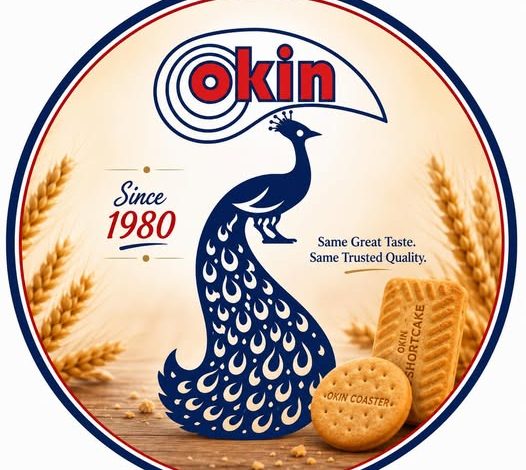
The possible return of Okin Biscuits to production in Kwara State could mean more than the revival of a familiar brand. For businesses and communities around its traditional base, the comeback could create a chain of economic opportunities stretching from the factory floor to local markets, transport operators and small businesses.
Okin Biscuits has a long-standing connection with Kwara, particularly around the Offa and Ijagbo axis. Its planned return, including the relaunch of its iconic biscuit products from its Kwara base, is therefore attracting attention not only from consumers who remember the brand but also from businesses that could benefit from renewed industrial activity.
At the centre of the potential impact is employment.
A revived manufacturing operation would require workers across different areas of production, administration, distribution, maintenance, security and other support services. Beyond direct employees, increased factory activity could create indirect jobs for transporters, artisans, food vendors, cleaners, technicians and other service providers operating within surrounding communities.
This is particularly significant because Okin’s founding vision, as highlighted in the company’s communication, was centred on creating jobs, stimulating industry and empowering families within the community.
The impact could also reach local suppliers.
Manufacturing depends on a network of businesses that provide raw materials, packaging, equipment, repairs and other services. A return to production could therefore increase demand for suppliers of flour and other production inputs, packaging materials, spare parts and maintenance services.
For businesses able to participate in that supply chain, the factory’s return could provide a new and potentially steady source of commercial activity.
Transport and logistics businesses could also find new opportunities.
Raw materials have to be transported to the factory, while finished products must move from the production facility to distributors, supermarkets, provision stores and smaller retailers. Increased movement of goods could create more business for truck operators, logistics companies, dispatch riders and other transport-related workers.
Then there are the retailers.
For supermarkets, provision stores, kiosks and other small-scale sellers, the return of a recognised biscuit brand could provide another product with an established consumer identity to put on their shelves. If the relaunch generates strong demand, distributors and retailers could benefit from increased sales while consumers regain access to a product many already know.
The effect could be even wider around Offa, Ijagbo and neighbouring communities.
Factories rarely operate in isolation. Workers need food, transportation and other services. Suppliers need accommodation and logistics. Visitors and business partners generate demand for local services. As economic activity increases around an industrial facility, restaurants, shops, mechanics, artisans, accommodation providers and other small businesses can also experience increased patronage.
This makes the potential Okin comeback particularly important from a local economic-development perspective.
For Kwara State, the return could also carry significance beyond the fortunes of one biscuit company. The successful revival of a recognised manufacturing brand could strengthen the state’s image as a place where businesses can establish, operate and grow.
At a time when attracting private investment and expanding productive economic activity remain important to states across Nigeria, the return of an established manufacturing company could send a positive signal to other investors. It could demonstrate that Kwara has an existing industrial ecosystem and communities capable of supporting manufacturing businesses.
However, the broader economic benefits will depend on how successfully the company scales its operations and how much of its supply chain can connect with businesses within Kwara and Nigeria.
The real opportunity, therefore, is not simply to bring Okin Biscuits back to the shelves. It is to reconnect a manufacturing operation with the network of workers, suppliers, transporters, distributors, retailers and small businesses that surround it.
If successfully executed, Okin’s return could become more than a comeback story for a beloved biscuit brand. It could become a fresh chapter for local manufacturing and a source of renewed economic activity for businesses and families across Kwara.