
How to Build a Timeless Brand That Customers Trust for Years
Brands that survive don't react to every trend. They build identities strong enough to outlive them.

How to Build a Timeless Brand That Customers Trust for Years
Markets move faster than they ever have. Platforms evolve almost every time. The algorithms change. Consumer behaviour shifts. Even industries can look different within a few years.
Against that backdrop, it’s easy to assume the brands growing the fastest are the ones reacting to everything happening around them.
Well, sometimes they are. But the brands that survive for decades usually play a different game.
They know the difference between adapting to change and abandoning their identity.
That distinction matters because relevance attracts attention.
Consistency earns trust. And trust is what compounds over time.
A Timeless Brand Doesn’t Resist Change. It Filters It.
Some entrepreneurs hear the word timeless and imagine a business that never changes.
That’s rarely how enduring brands operate.
Of course, they launch new products, embrace new technology and experiment with different channels.
But what they don’t do is change who they are every six months.
Every opportunity, partnership, campaign or trend passes through one question:
Does this strengthen who we already are?
If not,
“Is everyone else doing it?”
That’s why timeless brands rarely confuse their audience.
The packaging may evolve, the website may improve and even the content strategy may change.
However, the promise stays remarkably consistent.
Customers know what to expect.
Why Trend Chasing Weakens Brands
Trends are useful, no doubt but blindly following them isn’t.
Many businesses mistake activity for strategy.
One month they’re trying to sound humorous because humour is trending.
The next month they’re suddenly educational.
A few weeks later they’re posting motivational quotes because another brand gained traction doing it.
Eventually, the audience doesn’t know what the business actually stands for.
Gradually, recognition begins to disappear.
The irony is that trends are most effective when they’re filtered through an existing brand identity.
A coffee brand doesn’t need to participate in every social media trend.
It only needs to participate in the ones that reinforce what the brand already represents.
Otherwise, every campaign becomes disconnected from the last.
Timeless Brands Build Memory, Not Just Attention
At its core, attention is rented and memory is owned.
There has been a sharp rise in how marketing often celebrates impressions, reach and engagement because they’re immediate.
But brand building rewards something much slower. The ability for customers to remember your business at the exact moment they need it. That doesn’t happen because one Reel reached a million people. It happens because every interaction reinforces the same promise.
The same personality, the same standard and the same experience. That’s why the strongest brands often feel familiar long before they feel exciting.
Case Study: Patagonia Chose Principles Over Popularity
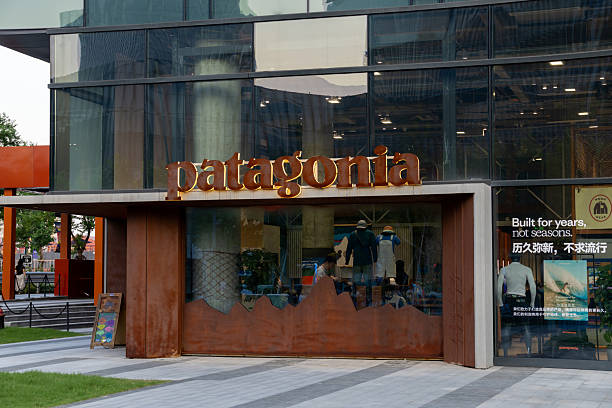
Outdoor clothing company Patagonia has remained one of the world’s most respected brands without constantly reinventing its identity.
Its mission has always centred on protecting the environment.
That mission influences product design, supply chains, marketing campaigns and even customer behaviour.
One of its best-known campaigns, “Don’t Buy This Jacket,” encouraged customers to think carefully before purchasing new clothing and to repair existing items whenever possible.
At first glance, the campaign seemed to discourage sales.
In reality, it reinforced the company’s values.
Customers saw a brand willing to sacrifice short-term revenue to remain consistent with its purpose.
That consistency strengthened credibility. Over time, credibility strengthened loyalty.
Patagonia didn’t become a timeless brand because it avoided change. It became a timeless brand because every change reflected the same principles.
Timeless Brand: The Future Belongs to Brands That Know Who They Are
Whether some brands like it or not, artificial intelligence will change marketing, new platforms will emerge and consumer expectations will continue shifting.
Yet, none of those changes remove the need for a clear identity.
If anything, they make it more important.
Technology can help brands create content faster, analyse customers better and personalise experiences more effectively.
It cannot decide what a brand should stand for. That’s still a leadership decision.
Businesses that confuse speed with strategy will keep chasing relevance.
Businesses that build around purpose, consistency and trust will keep earning it.
Because the brands people remember years from now won’t necessarily be the loudest, they’ll be the ones that stayed recognisable while everything else kept changing. That’s how to build a timeless brand.