

NGX sets minimum trade volumes to stabilise stock price movements
New rules require up to 100,000 shares before prices can shift, targeting manipulation and low-volume distortions

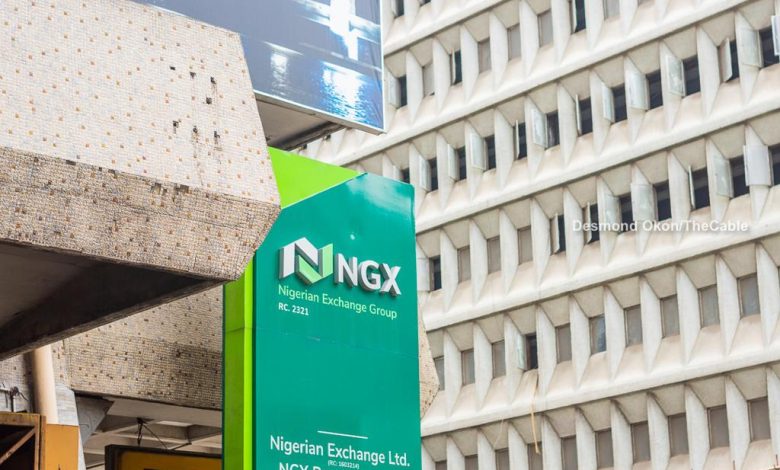
The Nigerian Exchange (NGX) has introduced new trading rules requiring a minimum number of shares to be transacted before a stock’s price can move, in a significant overhaul of the exchange’s price discovery mechanism aimed at improving market stability and curbing the influence of low-volume trades.
The new framework, confirmed by multiple stockbrokers and market participants, is yet to be accompanied by a formal public announcement from the exchange. Implementation guidelines and an effective date are expected to be released shortly.
Under the new rules, stocks priced at N1,000 and above will require a minimum of 10,000 shares to be traded before a price movement can occur. Stocks trading between N500 and N999.99 will need at least 50,000 shares, while those priced below N500 will require a minimum of 100,000 shares to trigger any price change.
The tiered structure represents a marked departure from the exchange’s existing price formation process and is designed to reduce the disproportionate impact of small-volume transactions on share prices, particularly among high-priced stocks where thin trades have historically produced outsized price swings.
Market participants have offered mixed reactions. Proponents argue the changes will enhance price stability, reduce opportunities for price manipulation, and improve confidence among both institutional and retail investors.
Critics, however, warn that less liquid stocks those that trade infrequently or in low volumes may experience slower price adjustments under the higher volume thresholds, potentially dampening trading activity in segments of the market already challenged by thin participation.
The development comes amid heightened regulatory attention on market integrity, liquidity, and efficient price formation across Nigeria’s capital markets, as authorities move to align the exchange with international best practices and attract a broader base of investors.