
High Inflation: What It Means for Nigerian Businesses
How rising prices are quietly reshaping costs, customers, and everyday business decisions

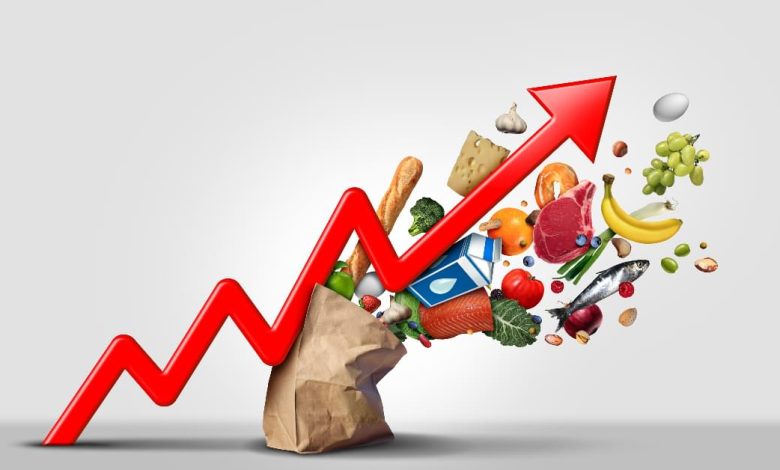
High inflation is no longer a headline problem. It is now a daily business problem. According to the Central Bank of Nigeria’s Macroeconomic Outlook report released in December 2025, inflation is expected to remain elevated in the near term, even as gradual easing is anticipated later. For Nigerian businesses, this means one thing clearly: the pressure is not ending anytime soon.
High inflation for Nigerian businesses shows up everywhere. It shows up in supplier invoices, transport costs, rent, power bills, and even staff expectations. Also, it shows up in how customers think before spending. Now, understanding what this really means helps businesses stop reacting blindly and start making clearer decisions.
Rising Costs are Changing Daily Operations
One of the strongest effects of high inflation is rising operating costs. Inputs cost more. Logistics costs more. Energy costs more. Even basic administration now takes more money to sustain.
The CBN report points to supply-side pressures as a major driver of inflation. For businesses, this means cost increases are not random. They are structural and waiting for prices to suddenly fall is risky.
This forces business owners to know their numbers better as guesswork will no longer work. Businesses that track expenses closely and cut waste early are better positioned than those who are only reacting to the market changes.
Pricing is no Longer Straightforward
In a high-inflation environment, pricing becomes one of the hardest decisions to make. Businesses are left in between whether or not they should increase their prices to meet their target. Increase prices too fast and customers push back. Hold prices too long and margins disappear.
What many businesses are learning is that customers are not only reacting to price. They are reacting to fairness and clarity. When people understand why prices change, they are more likely to adjust.
High inflation for Nigerian businesses means pricing must be intentional and transparent. It is no longer about copying competitors or following trends. It is about understanding cost structures and communicating value clearly.
Customers are More Careful with Money
Another effect projected by the report is reduced purchasing power. Inflation eats into income. As a result, customers are more selective.
People now ask harder questions. Do I need this now? Is this worth it? Can I delay this purchase?
For businesses, it means demand has not disappeared, but it has become cautious. Products and services that feel unnecessary to have struggled to maintain their relevance in the marketplace. Those that solve real problems or offer clear value still find buyers.
This shift should force businesses to rethink offers, bundles, and messaging. Loud promotions matter less than relevance at this point.
Profit Margins are Under Quiet Pressure
As much as many businesses are still selling, they are earning less. This is seen in the rise costs of production and doing business on a general level. In other words, the prices by businesses are not doing enough to cover for the costs spent.
On a deeper level, high inflation begins to expose weak structures. Businesses with thin margins feel the heat first while those with better cost control last longer.
This is why many operators are focusing less on growth and more on stability. Even though growth is one of the metrics of a successful business, staying profitable in this now matters more than expanding quickly.
Marketing Must Reflect Reality
The reality of this lies between how consumers behave when making buying decisions. High inflation changes how people buy and what they prioritise. At the same time, customers are more sensitive to exaggerated claims and are quicker to distrust unrealistic promises.
What this, therefore, means for businesses is that they can no longer communicate as if money is easy. Obviously, it’s not. What will help businesses get the best in a time as this are: clear language, honest pricing, and realistic expectations. All these work better than mere aggressive selling.
It forces brands to sound human as customers respond better to businesses that understand their reality than those pretending nothing has changed.
Conclusion
High inflation is not a temporary inconvenience. It is shaping how Nigerian businesses operate, price, hire, and communicate. The CBN outlook makes it clear that adjustment, not denial, is the smarter path.
Businesses that survive this period are not necessarily the biggest or smartest.
They are the most disciplined and proactive. They understand their costs, respect their customers, and plan for uncertainty. Although high inflation for Nigerian businesses is tough, it also forces clarity.