

User-Generated Content: Make Your Customers the Face of Your Brand
Stop forcing content. Design a user-generated content strategy that gets customers posting for you naturally.

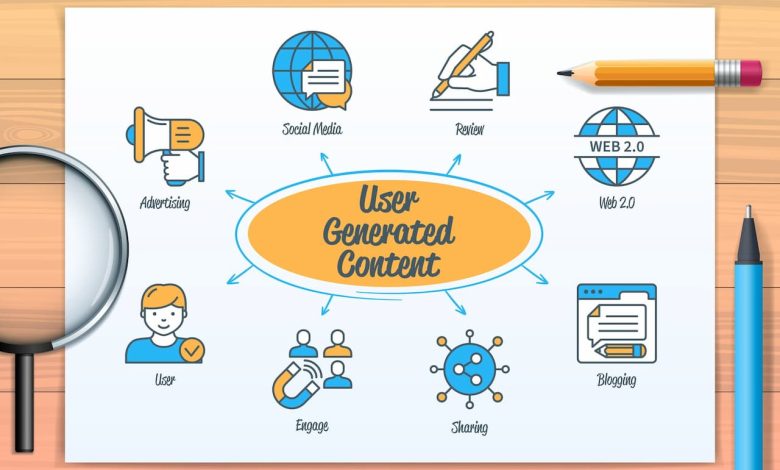
User-Generated Content: Get Customers Creating Your Marketing
Creating content daily while running your business is an exhausting task because you’re staring at blank screens wondering what to post, shooting product photos that look nothing to professional, writing captions nobody engages with. Meanwhile, your customers are already posting about your products but you’re just not capturing it. This is called a user-generated content.
Getting customers to create content isn’t manipulation. It’s structured opportunity for them to share what they’re already doing while giving you authentic marketing material that converts better than anything you’d create yourself.
What Makes Customers Create Content
Customers don’t create content because you need marketing material. They create it when there’s something in it for them like recognition, community, incentives, or just making it ridiculously easy. The following are some of the reasons:
- Recognition matters more than you think.
Being featured on a brand’s social media feels validating. It’s public acknowledgment that they have good taste, that the brand noticed them, that their photo was worthy. For many people, this emotional reward beats small discounts.
- Community belonging drives creation.
When customers see others posting about your brand and getting featured, they want to join that community. They’re not just buying a product, they’re part of something. This works especially well for brands with strong identity or values that customers want to associate with.
- Practical incentives work for some audiences.
Discounts, points, free products, contest entries; all these motivate creation when emotional rewards aren’t enough. But money isn’t always necessary or even most effective.
- Effortless contribution beats complicated asks.
If creating content for you requires five steps and special editing, nobody does it. If it’s taking a photo they were already taking and adding your hashtag, participation goes up.
A fitness equipment brand asked customers to post workout videos using their products with a specific hashtag. Entry into monthly giveaway for ₦50,000 worth of equipment. They got 200+ videos monthly. The contest prize mattered, but the ease of participation mattered more as customers were already filming workouts.
User-generated Content Strategy: How to Ask Without Being Weird
Most businesses never ask customers to create content, assuming people will just do it. Some do, but most need a prompt. Although the approach of asking matters as awkward requests get ignored while natural requests get positive responses.
- Timing is everything.
Ask immediately after a positive experience. Right after purchase, after delivery confirmation, after they’ve complimented your product. Don’t wait three months when enthusiasm has faded.
- Language that works sounds like:
“We’d love to see how you style this! If you post a photo, tag us @yourbusiness so we can share it.” Not: “Please create user-generated content for our marketing purposes by submitting photos.” The first feels like joining something fun. The second feels like unpaid labour.
- Be specific about what you want.
“Share your experience” is vague. “Show us your before and after results” or “Post a photo of your setup using our product” gives clear direction. People need to know exactly what to do.
- Remove every possible friction point.
Don’t require them to fill out forms, send emails, or jump through steps. The path should be: take photo → post with hashtag → done. Anything more complicated reduces participation by 50% per additional step.
Include the ask in multiple places: order confirmation emails, package inserts, follow-up messages, your bio. You’re competing for attention so one mention isn’t enough.
Incentive Structures That Generate Content
1. What to offer depends on your audience and margins. High-margin products can afford bigger incentives. Low-margin businesses need creative approaches.
2. Featured placement is free but powerful. “Share your photo and we’ll feature you on our page” costs nothing but provides social validation many customers want. Works best for aspirational brands where being associated publicly feels valuable.
3. Discount codes for participants. “Post a photo with #YourBrandName and get 15% off your next order” directly rewards creation. Track usage to measure ROI. If 100 people post and 30 use the discount code for ₦50,000 total purchases at 40% margin, you gained ₦20,000 profit plus 100 pieces of content.
4. Monthly contests with bigger prizes. “Best photo each month wins ₦20,000 credit” creates ongoing participation for one monthly prize. This works if your audience is competitive and creative.
5. Tiered rewards for ongoing programmes. Loyalty systems where posting content earns points toward rewards. This builds habitual creation as customers post regularly because they’re accumulating value.
6. Early access to new products. For brands with engaged communities, being first to try new items is valuable. “Post about our current products and get early access to launches” appeals to brand enthusiasts.
Making User-Generated Creation Easy for Customers
- Clear instructions prevent confusion. Don’t assume people know what to do. Spell it out: “1. Take a photo of yourself using our product. 2. Post it on Instagram. 3. Tag @ourbrand and use #OurBrandName. That’s it!”
- Hashtag strategy matters. Create one branded hashtag that’s unique and memorable. Not #quality or #style. Those are too generic. #YourBusinessName or #YourBrandCommunity works. Make it short enough to remember and type easily.
- Tagging protocols should be simple. Ask people to tag your account so you see posts and can reshare. Don’t require them to tag products, locations, and five other things.
- Content prompts spark ideas. Some customers want to participate but don’t know what to create. Give them prompts: “Show us your morning routine with our product” or “What problem did our service solve for you?” Specific prompts generate more content than “share your experience.”
- Provide templates for less creative customers. Instagram story templates, caption ideas, photo angle suggestions. These help people who want to contribute but feel they’re not creative enough.
Curating and Resharing Customer Content
- Always ask permission before resharing. DM the customer: “We love your post! Can we share it to our feed/story? We’ll credit you.” Most say yes, but asking shows respect and prevents legal issues.
- Credit properly every time. Tag the creator’s account. Write “📸: @customername” in captions. Give attribution in stories. This isn’t just legal requirement, it encourages others to create knowing they’ll be credited.
- Quality standards matter for your brand. Not every customer post fits your aesthetic or messaging. That’s okay. You can appreciate someone’s post without resharing it. Maintain visual consistency while showing variety.
- Engage with all UGC, even what you don’t reshare. Like and comment on customer posts mentioning you even if you don’t feature them. This encourages continued creation. Ignoring content makes people stop creating it.
Here’s What You To:
Pick one simple UGC campaign to launch this week. It could be for your:
Product businesses: Post this on your socials: “We love seeing our (product) in action! Share a photo of yours, tag us @yourbusiness and use #YourBrandName for a chance to be featured.”
Service businesses: “Show us your results! If our service helped you achieve (specific outcome), share your story and tag us. We’ll feature the best transformations.”
Local businesses: “Visited us recently? Post a photo from your visit, tag our location and @yourbusiness, and we’ll reshare our favorites to our story.”
User-generated content strategy isn’t about tricking customers into free labour. It’s creating systems where customers naturally want to share their experiences, you make it easy, and everyone benefits. They get recognition, you get authentic marketing content, prospects get trustworthy recommendations.
The content your customers create about you converts better than anything you’ll create about yourself. Stop doing all the work alone when your satisfied customers are already your best marketers.