

Nigeria’s Money Supply Reaches N124.99tn Amid Growing Liquidity Pressures
CBN data shows broad money climbing from N123.12tn as domestic assets surge

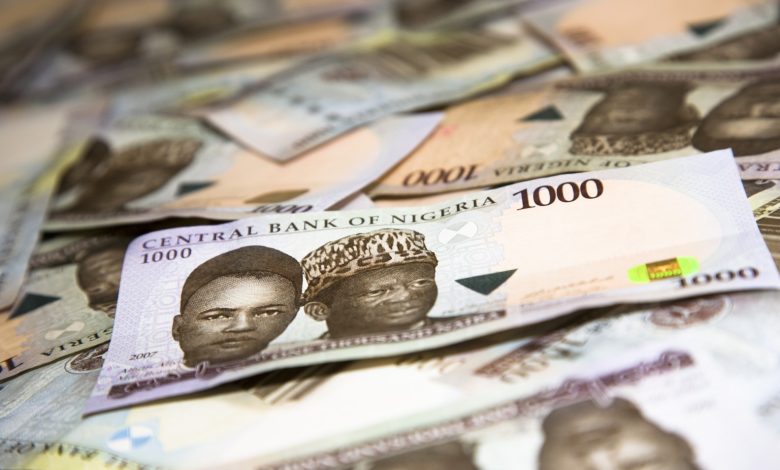
Nigeria’s broad money supply climbed to N124.99 trillion in April 2026, up from N123.12 trillion recorded in February, reflecting continued liquidity expansion in the financial system even as the Central Bank of Nigeria maintains its monetary tightening stance.
The N1.87 trillion increase over two months comes despite the CBN’s ongoing efforts to rein in inflation through elevated interest rates and strict reserve requirements. Notably, the apex bank did not publish money supply data for March 2026, making February the closest prior reference point. On a year-on-year basis, money supply rose from N119.22 trillion in April 2025, indicating sustained growth in the volume of money circulating within the economy.
Narrow money supply, measured as M2, also rose in tandem, reaching N124.98 trillion closely mirroring the M3 figure and pointing to broad-based liquidity growth across the financial system.
A closer look at the composition of money supply reveals a notable shift in its drivers. Net domestic assets rose significantly to N100.97 trillion from N97.55 trillion, suggesting stronger credit creation and domestic financial activity. Net foreign assets, however, declined to N24.01 trillion from N25.57 trillion, reflecting a weakening in the banking system’s external asset position.
The figures emerge against the backdrop of a CBN that has been carefully calibrating its policy tools. At its February 2026 Monetary Policy Committee meeting, the CBN trimmed its benchmark Monetary Policy Rate by 50 basis points to 26.5%, signalling a cautious pivot after an extended tightening cycle. The Cash Reserve Ratio was held at 45% for commercial banks and 16% for merchant banks, while the Liquidity Ratio remained at 30%.
The CBN has maintained that its policy framework is designed to balance three objectives: controlling inflation, supporting economic growth, and preserving exchange rate stability.
However, the continued rise in money supply despite tight monetary conditions suggests that domestic liquidity pressures remain a live challenge for policymakers as Nigeria navigates a complex macroeconomic environment.