

How Local Culture Will Shape Brand Communication in 2026
Why cultural connection, not campaigns, will drive brand success in 2026

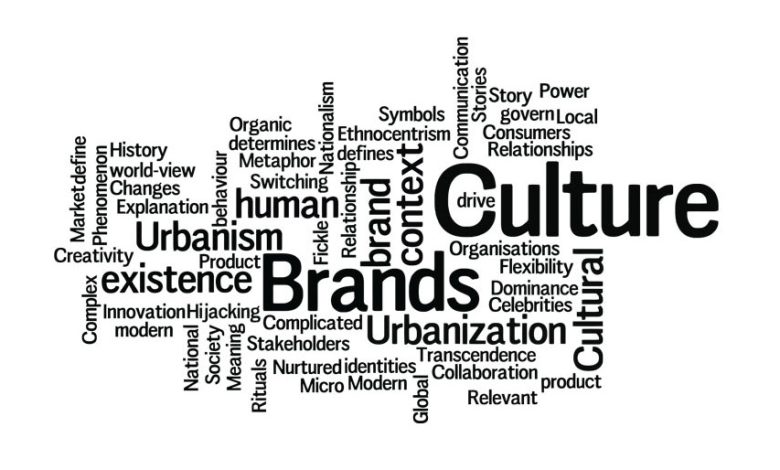
Local culture will shape brand communication in 2026 more than any other factor has done in the past, especially in Nigeria’s fast-evolving market. Culture is becoming the core of how people decide what to buy, how they spend money, and which brands they choose to trust. Many numbers point to this shift clearly. The Lagos Business School Breakfast Session report from November 2025 highlighted two major facts that show how culture is moving people and markets.
Nigeria’s entertainment and media market will grow from $4.1bn in 2024 to $5.8bn by 2029 as projected by the report, making it the fastest-growing in Africa. That increase goes beyond media expansion. It shows rising interest in culture-driven experiences such as music, film, art, shows, and digital content. This means entertainment is not a “weekend treat” anymore. It is becoming an economic force.
The same report shows that Lagos’ Detty December economy generated over $71.6 million in 2024, and the number is expected to grow. That is not casual spending. One month in one market creating tens of millions tells us something important. These are not simple transactions. They are cultural events turning into economic results. Culture is shaping buying behaviour. It is shaping identity. It is shaping memories. And because communication is tied to behaviour, culture will shape brand communication in 2026.
Culture Has Become the Centre of Spending
Brands often look at price, advertising, and visibility to influence buyers. While those elements matter, people are spending based on cultural identity now. The rise in events, shows, live experiences, digital entertainment, travel, food, and fashion reflects more than interest. It reflects deeper meaning.
It also means that people are not only investing in products. They are investing in how the product makes them feel. If a product reflects their identity, lifestyle, dreams, or personal values, they connect faster. If it does not, they move on.
This is why brand communication cannot remain distant. People want brands that sound like them, think like them, and show up where they are. And one of the ways to achieve this is through local culture. Local culture now sits at the root of connection. Without it, communication feels empty.
Brands Fail When They Ignore Local Cultural Shifts
Nigeria has seen many examples of brands that collapsed because they did not move with the local culture of the audience they served. Blackberry remains one of the clearest cases. Blackberry did not shut down in Nigeria because the devices stopped working. For years, people depended on Blackberry Messenger, the keypads, the status symbol, and the business identity that came with the phones.
But culture changed. People wanted lifestyle technology. They wanted cameras, visual platforms, and music. Images, videos, and creative space. The Nigerian market shifted from status-based usage to culture-based usage. Blackberry held on to what used to work while their target market had changed. That gap ended the brand’s relevance.
Another brand that shows this pattern is Mr Bigg’s. It was once a major part of Nigerian food culture. For many people, Mr Bigg’s was the place to buy snacks, spend time with family, get breakfast on the move, or enjoy small celebrations. But food culture also changed.
People wanted fresh meals, local spices, emotional ambience, creative menus, and variety. Food became a social experience. New restaurants stepped in and offered what people wanted. Mr. Bigg’s stayed the same. Over time, the market outgrew them.
These examples are not about product quality. They are about local cultural connections. When brands stop listening to culture, culture stops listening to them. And in return, they struggle to maintain their relevance in the market place.
Culture Is Movement, Not Memory
One of the strongest lessons from the report is that culture does not sit still, especially local culture. It evolves. Local culture changes shape and expands. Nigeria’s entertainment growth, Dirty December spending, and tourism expansion show that culture is not quiet. It is loud, active, and emotional.
That means brands must stop speaking at people and start speaking with them. Brand communication in 2026 has to reflect shared experiences, not distant messaging. People want to see themselves in the stories brands tell. They want to feel seen, understood and respected. When communication misses emotional connection, it becomes noise. But when communication reflects local culture, it becomes memory.
Culture Shapes How People Choose
Nigerians today are not buying based on product alone. They are buying based on identity. They are choosing brands that sound familiar and ‘local’, not foreign; they are choosing products that make them feel seen, not targeted; they are choosing communication that feels true, not loud.
This is why Indomie remains one of the strongest examples of cultural connection in Nigeria. Indomie is not just a noodle brand.
It is hostel nights.
Indomie reflects childhood memories.
The brand speaks to the comfort of its audience making it a comfort food.
It is relief after a long day.
Indomie tied itself to emotion. And emotion sits inside local culture. That is why the brand has survived decades of competition. It did not only sell noodles; it entered culture.
Culture Is Now a Business Strategy
Looking ahead into 2026, brand communication will succeed when it reflects lifestyle, language, local identity, local culture, humour, values, and shared experience. People want authenticity. They want brands to show up where they already gather; concerts, markets, communities, digital spaces, events, neighbourhood spots, and social platforms.
The report shows that entertainment spending will keep rising. Tourism will keep rising. Digital content will keep expanding. That means cultural activity will increase, not reduce. If brands ignore this, they will miss customers who are already looking for them.
People in 2026 will not only ask:
“What does this brand offer?”
They will ask:
“Do I feel connected to this brand?”
That question is the real filter to make you stand out among your competitions.
Why Culture Will Lead in 2026
2026 will not be won by brands that have money to run strategies or campaigns alone; it will be won by those who have deeper but local cultural meaning.
Detty December spending growth, music industry expansion, tourism development, and digital media activity all point to one fact: the Nigerian consumer is living inside cultural worlds.They are spending on concerts, events, movies, travel, food, and moments of joy.
They are buying emotion, identity and memories and belonging. Brand communication has to travel to where people are already living, not where marketers hope they will go. If a brand wants attention, it must enter local culture. If it wants loyalty, it must respect culture.
Therefore, 2026 belongs to brands that:
— listen to local culture
— follow local culture
— reflect local culture
— participate in local culture
— respect local culture
Businesses that ignore these shifts will continue losing relevance while those that embrace them will gain connection and trust. The market is no longer driven by campaigns alone. It is driven by belonging.
Local Culture carries trust, energy and influence.
Conclusion
Local culture will shape brand communication in 2026, and the brands that recognise this early will gain a real advantage. The shift is already happening in entertainment spending, lifestyle consumption, and Detty December activity.
Culture is no longer a background topic. It is the main activity in the economy. Brands that blend into culture will grow while those that stand still will struggle. Local culture will shape brand communication in 2026 because people are shaped by culture first, and brands second.