

President Bola Tinubu has reiterated his administration’s commitment to replicating the infrastructure development being recorded in the Federal Capital Territory (FCT) across the country.
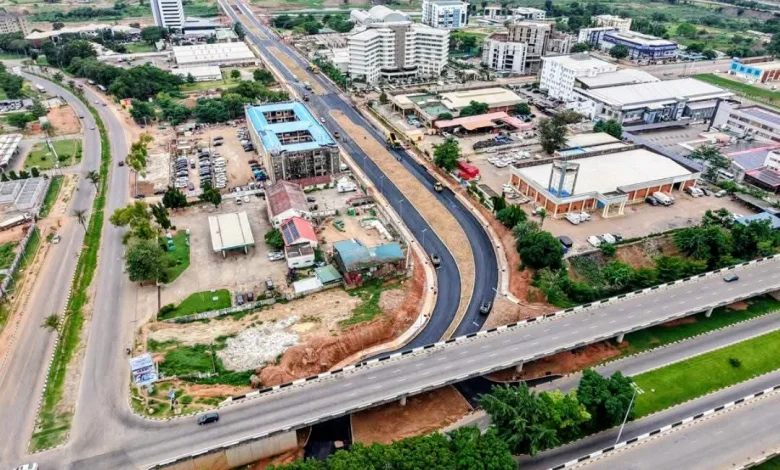
He gave the assurance on Tuesday in Abuja while inaugurating the newly constructed Transitway N2 from the Central Business District to Wuse District, including two bridges, built by the Federal Capital Territory Administration (FCTA).
Represented by Senate President, Sen. Godswill Akpabio, Tinubu said the government would continue investing in roads, bridges, railways, and other critical infrastructure to ensure balanced national development and improved connectivity.
The President described the project as a reflection of the Renewed Hope Agenda, aimed at unlocking economic opportunities, supporting sustainable growth, and improving the quality of life of Nigerians.
He said the road would ease traffic congestion, enhance urban mobility, and open new commercial corridors between key districts of the capital city.
According to Tinubu, the project is a major component of the Abuja Master Plan and would significantly reduce travel time for commuters and businesses.
He also commended the FCT Minister, Mr. Nyesom Wike, for driving ongoing infrastructure transformation in the territory in line with the master plan.
In his remarks, Wike described the Transitway as a critical transport corridor linking Wuse and the Central Business District.
He attributed the successes recorded in infrastructure delivery to Tinubu’s support, particularly the removal of the FCT Administration from the Treasury Single Account, which he said improved access to funds for development projects.
The minister said more achievements of the administration in the FCT would be highlighted during the conclusion of ongoing project inaugurations on July 17.
He also assured residents that roads currently not captured on digital navigation platforms would be integrated to improve movement across the city.
Also speaking, the Minister of State for FCT, Dr. Mariya Mahmoud, said the completed corridor represented a strategic investment in connectivity, economic growth and urban efficiency.
According to her, the project demonstrates the administration’s commitment to building a modern, inclusive and functional capital city.
Earlier, the Acting Executive Secretary of the Federal Capital Development Authority (FCDA), Mr. Richard Dauda, said the project was awarded in October 2025 as the first major implementation of the Transitway concept in the Abuja Master Plan.
He explained that the corridor was designed to accommodate both vehicular and rail transportation as part of an integrated mass transit system linking the city centre, districts and satellite towns.
Dauda added that the Transitway forms part of a larger transportation network spanning the northern and southern development corridors of Abuja.
According to him, the northern flank covers about 52 kilometres, while the southern flank extends nearly 64 kilometres when fully developed.
Credit: NAN (Texts Excluding Headlines).