
Agriculture
Kwara’s Smart Farm Initiative: Soil Labs Boost Agribusiness
State Launches Pilot Soil Lab, Empowering Farmers with Data-Driven Agriculture

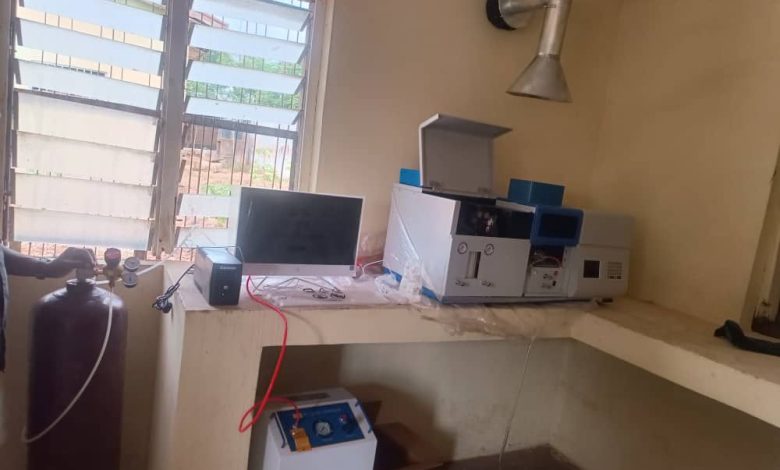
Kwara State is taking a major step toward modernizing agriculture with the installation of a pilot Soil Assessment Laboratory at the Ministry of Agriculture and Rural Development, Ilorin. This initiative, under the Nigerian Farmers’ Soil Health Card Scheme (NFSHCS) and spearheaded by the Federal Ministry of Agriculture and Food Security, positions Kwara among the select states leveraging scientific advancements for agricultural growth.
With the planting season approaching, the laboratory will provide farmers with accurate soil analyses, enabling informed decisions on fertilizer use, crop selection, and land management. By understanding their soil’s specific nutrient needs, farmers can boost yields, reduce costs, and enhance farm efficiency, leading to greater profitability and sustainable practices.
This development aligns with the Kwara State Agricultural Transformation Plan, which prioritizes soil health management as a key factor in boosting agricultural efficiency. The plan emphasizes scientific soil testing, precision fertilization, and sustainable land-use practices to help farmers maximize their output while preserving soil quality for future generations.
Through initiatives like this, Kwara is equipping farmers with data-driven solutions that promote efficient resource utilization and long-term agricultural sustainability.
Speaking on this development, the Honorable Commissioner for Agriculture and Rural Development, Dr. Afees Abolore Alabi, highlighted the project’s impact on farmers. He noted that the facility will provide vital soil health information, guiding them to improve crop yields and adopt smarter farming techniques.
He added that His Excellency, Governor AbdulRahman AbdulRazaq, remains committed to driving agricultural innovations that enhance food security and economic prosperity in Kwara State, in line with the Kwara State Agricultural Transformation Plan. The Commissioner further emphasized that this initiative aligns with the government’s broader vision of making the state a model for modern, technology-driven agriculture.
“This Soil Assessment Laboratory is a game-changer for farmers in Kwara. It will empower them with the knowledge to improve yields and enhance productivity. The government remains committed to advancing agricultural innovation and ensuring farmers have the best resources at their disposal,” Dr. Afees Abolore Alabi said.
This initiative places Kwara at the forefront of agricultural transformation in Nigeria, demonstrating how innovation can drive food security, economic growth, and sustainable farming practices. The state government remains steadfast in empowering farmers, fostering sustainable practices, and positioning Kwara as a model for modern agriculture. (kwaramoc.com.ng).